

Another stage was successfully completed within the framework of the German Society for International Cooperation (GIZ) program.
Through the grant program implemented for women’s economic empowerment, this time 11 beneficiaries living in Oni and Senaki were able to realize their own ideas, which will help these individuals increase their financial opportunities in the future.
The project “Supporting Women’s Business,” which was implemented in target municipalities from June 5 to December 15, envisioned the purchase of production inventory worth 2,000 euros in the form of grants to start new businesses or expand existing activities.
One of the main conditions for receiving the grant was developing a business idea and a minimum 10% financial participation.
According to the project leader and experts involved in it, the pandemic had a negative impact on all social strata. This program helps public institutions deliver citizen-oriented, fair, and quality services, which implies improving the living conditions of the population at the local level.
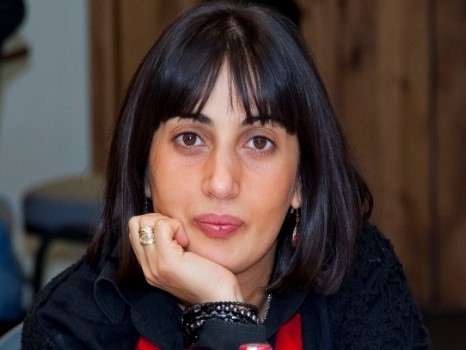 As noted by Rusudan Abulashvili, head of the German Society for International Cooperation (GIZ) program “Good Governance for Local Development,” the program is fully aligned with the standards and goals of the 2030 Agenda, including promoting gender mainstreaming. Accordingly, it is particularly important to implement activities that ensure women’s economic empowerment and their involvement in various business projects.
“Rural women who want to start their own small businesses typically either have limited financial resources or no access to them at all. Accordingly, they need both financial assistance and sharing of business management skills and knowledge to be able to plan business at an appropriate level, prepare business plans, and be given the opportunity to participate in grant competitions.
Based on this, I believe that to achieve the fifth goal of sustainable development, the most effective way is to provide small grants to female entrepreneurs in municipalities to start businesses or support them in business expansion issues,” noted the program leader and explained that over the past 2 years, the project implemented by GIZ addresses exactly these challenges.
The project’s progress and results were also evaluated by experts invited by GIZ, who were actively involved in this process from the beginning.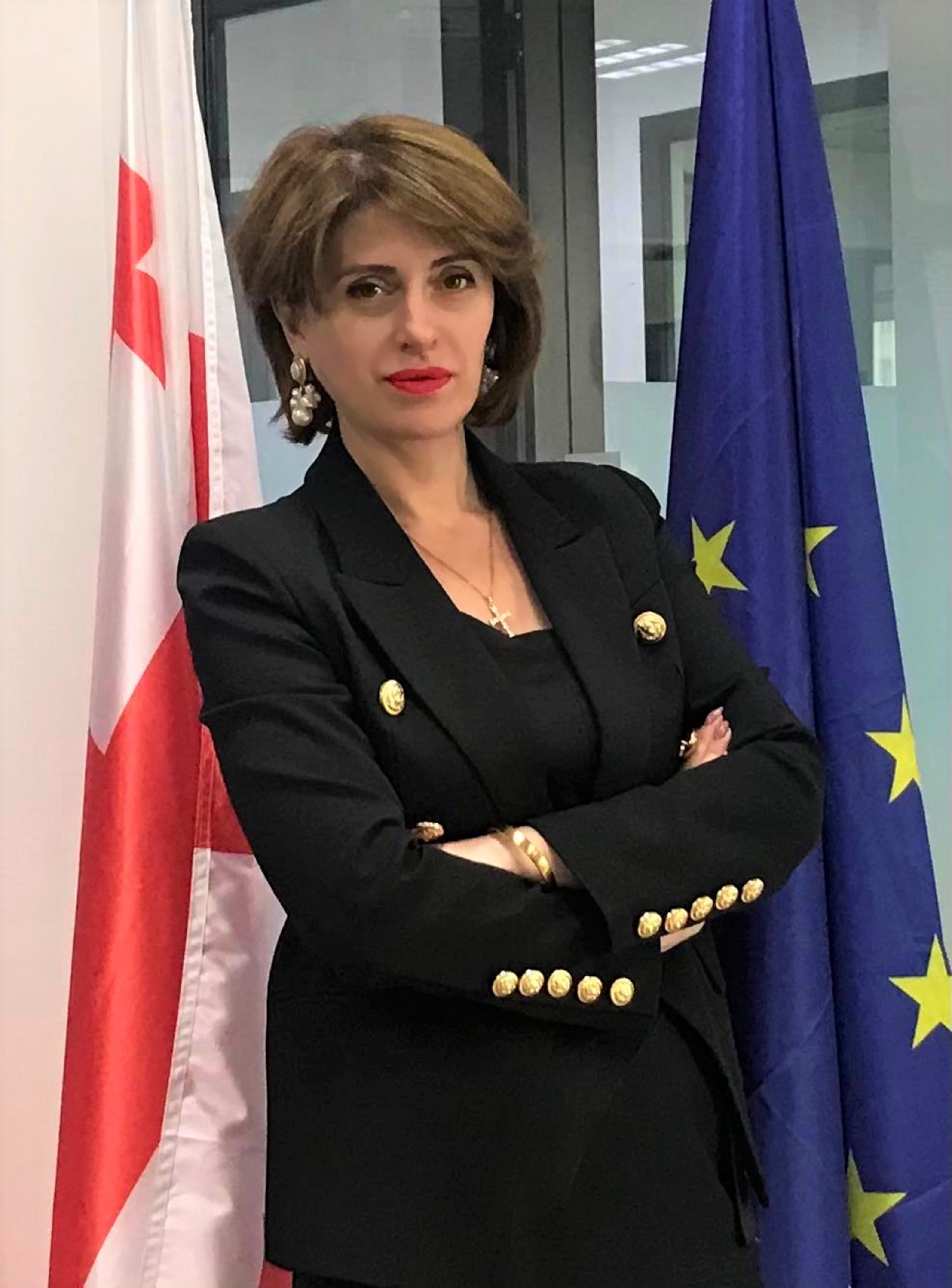
As noted by Natia Ghvinashvili, Deputy Executive Director of NALAG, National Coordinator and Expert at CEMR, against the backdrop of the pandemic, there are many barriers to overcome for strengthening social and economic conditions, however, the GIZ program gave stimulus to women inexperienced in business and identified supporting so-called startups as one of the main priorities.
“For me, as a representative of the umbrella organization uniting local governments, which coordinates the process of localizing gender policy within the framework of the association’s mandate, one of the main priorities is encouraging women and girls living in the region, because strong women contribute to the well-being of families, communities, and ultimately the country.
It should be noted that the project, which is oriented toward stimulating beneficiaries’ development and success, gave inexperienced women the opportunity to reveal their own capabilities. I believe that this approach, which represents the first step of economic life for beginning businesspeople, will significantly change their future and accordingly contribute to the country’s economic development,” stated Natia Ghvinashvili.
Expert in local economic development issues, Shorena Kochlamazashvili, focused attention on another important stage of the program and emphasized the training course where women were given the opportunity to familiarize themselves in detail with project writing principles.
 “Considering that business plan preparation required specific work, training was organized and consultations were held within the framework of the project. This course significantly increased motivation among beneficiaries, which was also reflected in subsequent monitoring.
Women who turned their own ideas into business plans themselves became more confident. Accordingly, positive and optimistic attitudes are noted among beneficiaries regarding starting business activities. There is readiness and mobilization for finding alternative markets and directions necessary for process development. Despite the unpredictable spread of the new virus, global financial fluctuations and crisis, no fear or tendency to halt economic activity is observed, which further strengthens the project’s goals,” stated Shorena Kochlamazashvili.
In addition to so-called “start-ups,” special attention was paid within the framework of the program to projects that contribute to reducing internal migration, creating additional jobs in municipalities, as well as developing tourism, the agricultural sector, and other directions.
A total of 75,105 lari was distributed as grants to promote women’s business in both municipalities, within the framework of which women who won the competition, with the support of GIZ’s contractor non-governmental organization “Association of Financiers of Georgian Local Self-Government Units” and in close cooperation with the National Association of Local Authorities of Georgia, purchased various inventory and construction materials necessary for building structures.
As noted by David Khosruashvili, head of GAFLA, the association actively provides consultations to self-governing units during budget formation, which, among other issues, is oriented toward promoting gender equality, including women’s economic development.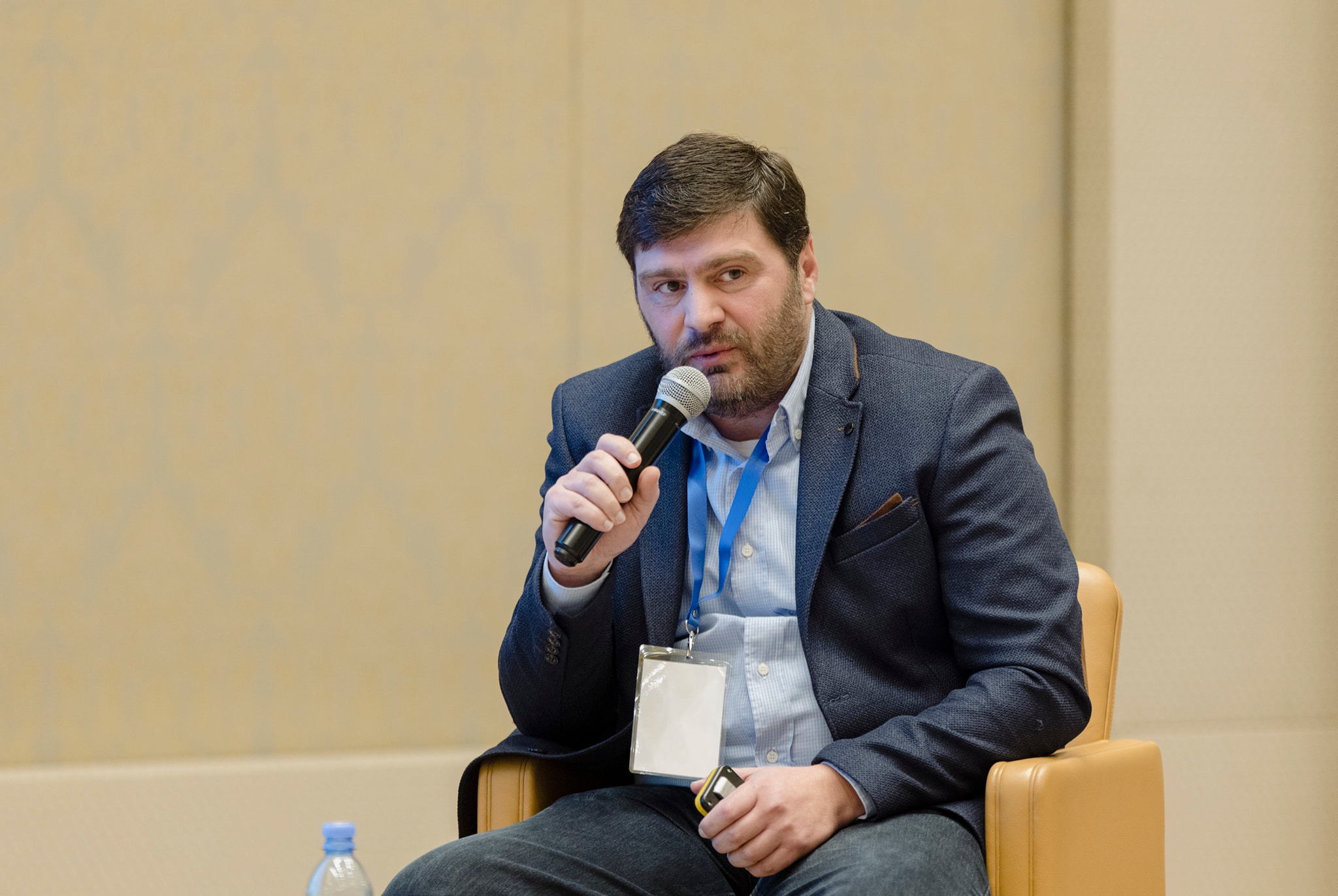
“One of our organization’s priorities is also promoting gender equality. Accordingly, it is important for us to be involved in projects that imply increasing women’s participation in municipalities and improving their access to productive resources. The GIZ program serves exactly this purpose, and I think our joint efforts with the German Society for International Cooperation and NALAG will give many more women the stimulus to turn ideas into reality and develop their own businesses,” stated David Khosruashvili.
It should also be noted that from the very first stage of program implementation, local government was actively involved in the process, while projects were selected by a specially created competition commission, which was staffed with representatives of central government, the National Association of Local Authorities of Georgia, as well as non-governmental and international organizations working on gender equality and local self-government issues, and field experts.
Initially, interested persons presented 44 business ideas, of which 22 beneficiaries met the project criteria. Specifically, 11 applications were from Oni, 4 from Senaki, and the rest belonged to women living in the administrative units of Utsera, Ghebi, Gheri, as well as Dzvel Senaki, Nokalakevi, and Nosiri.
The grant competition, which aims to promote gender balance through institutionalization in municipalities, was implemented with the support of the Deutsche Gesellschaft für Internationale Zusammenarbeit (GIZ) and commissioned by the German Federal Ministry for Economic Cooperation and Development (BMZ), within the framework of the program “Good Governance for Local Development in the South Caucasus” (GGLD).
This article was prepared with the support of the German Society for International Cooperation (GIZ) and commissioned by the German Federal Ministry for Economic Development and Cooperation (BMZ), within the framework of the program “Good Governance for Local Development in the South Caucasus” (GGLD). GIZ does not take responsibility for the accuracy of the content of the article and the opinions expressed in it.

